
Build an approval‑ready credit profile
Understand what’s driving your credit decisions, identify items that may be unfair or inaccurate, and take a structured next step toward stronger approvals and better terms.
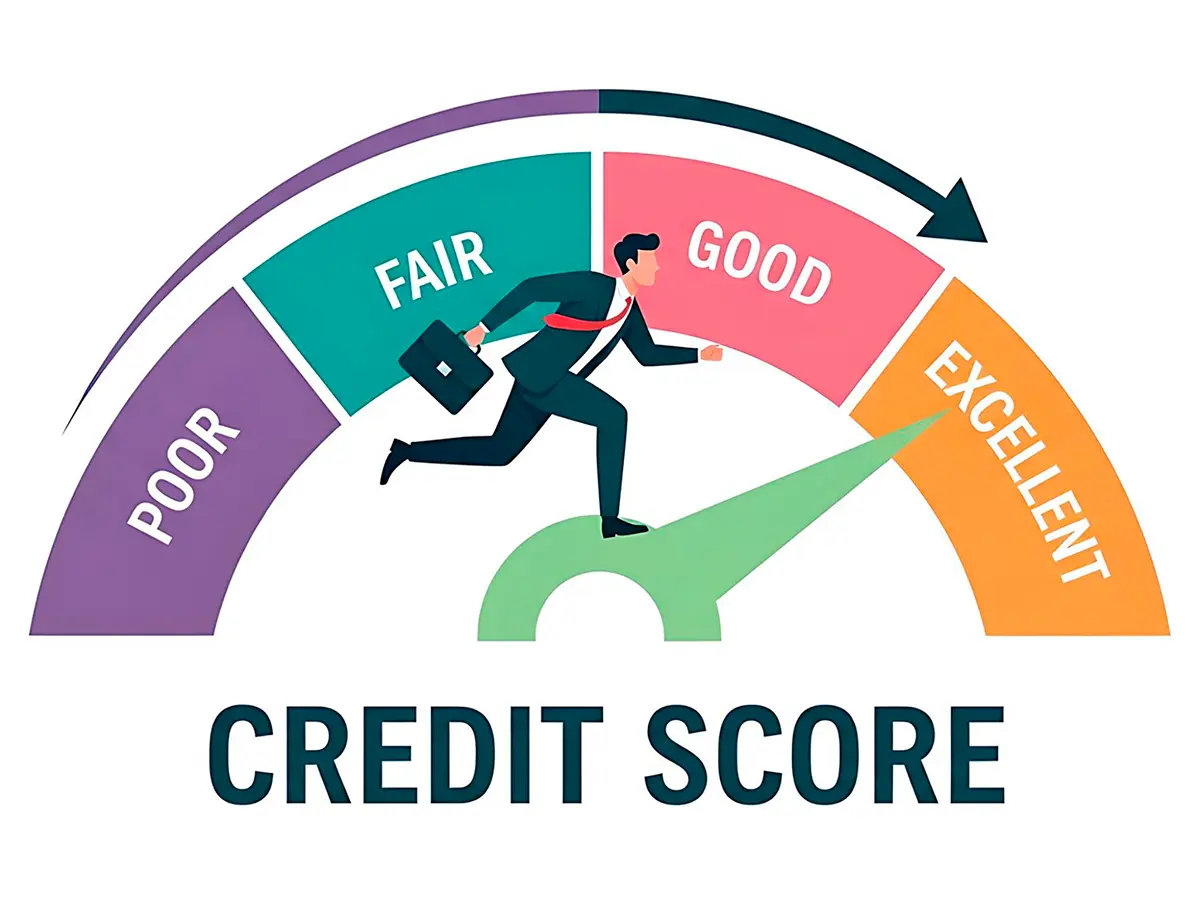
Built around established U.S. credit reporting practices and dispute procedures under the Fair Credit Reporting Act (FCRA). No unrealistic promises—just clarity, documentation, and structured credit improvement.
Unlock more options
Choose the outcome you care about. We’ll outline what improves it—and what to watch for—so you can move forward with confidence.
Your path to stronger credit
A stronger credit profile can mean better approval odds, improved loan terms, and more financial flexibility. Get a clear, no-fluff overview of what credit improvement can help you achieve — then take the next step when you're ready.
Credit decisions in the U.S. are typically influenced by payment history, utilization ratios, account age, recent inquiries, and the accuracy of reporting across major credit bureaus.
Even small inconsistencies can affect lending algorithms. A structured credit improvement approach focuses on verified data, responsible usage patterns, and consistent financial behavior.
*Results vary. This page does not guarantee outcomes.
How it works
A straightforward workflow used by reputable credit‑support programs: review, challenge what’s questionable, and build stronger habits while updates are processed.

Review your starting point
Clarify your goal and look at what’s currently affecting approvals and terms.

Identify what can be challenged
See what information is typically needed, what to expect next, and how the workflow usually looks.

Move forward
Continue to explore available options and take the next step toward better credit outcomes.
how to clean up credit fast without losing sight of the long game
I watched Jordan spread three credit reports across the kitchen table, pen tapping in quiet rhythm. I hesitated before suggesting one move, because speed helps, but only when it points the right direction. Fast, then steady - that was the frame.
Gather facts in a single afternoon
Pull your free reports, compare line by line, and mark anything that looks off: wrong balances, duplicate collections, or accounts you don't recognize. If fraud is possible, place a freeze and an initial fraud alert right away. Make a simple list: what's inaccurate, what's past due, and what's just expensive to carry.
- Dispute clear errors online and upload proof; keep screenshots and dates.
- Note each account's statement closing date; that date often decides what balance gets reported.
- Log your score factors from your provider so you can see which levers actually move.
Lower utilization this week
Credit cards near their limits drag scores down. Aim to get each under 30% utilization; under 10% is better. Pay before the statement closes, not just before the due date. If your issuer allows, request a credit limit increase that uses a soft pull - more limit with the same balance reduces utilization instantly.
- Prioritize the smallest payments that create the biggest drop on individual cards.
- Make two or three micro-payments in a cycle to keep the reported balance low.
- Ask if the bank can shift unused limit from one card to another with a soft review.
- Avoid opening new accounts purely for limit; hard inquiries can offset gains short term.
Real-world moment: at a coffee shop, Jordan paid $220 on a card sitting at 87% utilization, pushing it down to 24% a few days before the statement cut. The issuer reported midweek, and the score nudged up in time for an apartment application.
Triage past-due items fast
Anything past due hurts more than high balances. Bring accounts current first. Call lenders, explain the situation, and ask about reversing a single late mark after you've paid - goodwill happens, especially with a clean history. For small collections, negotiate in writing; some agencies will delete a tradeline upon payment. Document every agreement and avoid unintentionally resetting limitation periods; ask questions before you commit.
Add positive data that compounds
Set autopay for at least the minimum on every revolving account. Consider reporting rent or utilities through a reputable service if your file is thin. Becoming an authorized user on a long, well-managed card can help, provided the balance stays low. If credit is very limited, a low-fee secured card that you use lightly and pay in full can start a clean pattern.
Evaluate and sustain
Track which creditors report on which days so your payments show up when you need them. Pause new hard inquiries during your clean-up sprint. Keep your oldest accounts open to preserve age. Then build a 90-day plan: keep utilization low, pay on time, and review reports monthly. Quick wins matter, but their real power is momentum.
- Don't dispute accurate negatives - you lose time and credibility.
- Don't close old cards out of frustration; age is valuable.
- Don't skip a minimum payment while chasing utilization.
- Don't apply for a handful of cards "just in case."
Fast repairs open doors; consistent habits keep them open. With a few decisive moves now - and an eye on the calendar - credit can improve quickly and stay that way long after the rush fades.
Pay the debt: If you can, your best option is to pay anything you owe. Some newer credit scoring models ignore collection accounts that are paid ...
To clean up your credit, start by reviewing your credit reports. You can get yours for free from each of the three credit bureaus weekly at ...
1. Pay down your revolving credit balances - 2. Increase your credit limit - 3. Check your credit report for errors - 4. Ask to have negative entries that are paid ...
Frequently asked questions
A clear next step — without the guesswork
See what’s impacting approvals and what may deserve a closer look.
Understand how disputes are structured and what documentation matters.
Improve utilization, consistency, and long-term credit stability.
See what improving your credit could change
Take a structured next step based on your current profile — and decide with clarity.